

Chlorine Dioxide: Absolute Disinfection in the F&B Industry

In the highly regulated and quality-driven Food & Beverage (F&B) industry, the purity and microbiological integrity of water used in processing, cleaning, and product formulation are paramount. Raw water sources—be they municipal, surface, or groundwater—often contain a spectrum of biological and chemical contaminants. Without rigorous and absolute disinfection, these contaminants can compromise product safety, result […]
Glass Media Filtration in Power Plants: Massive Water Savings
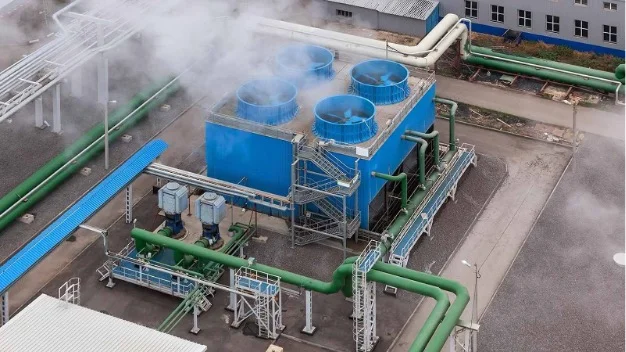
Power plants are among the most water-intensive industrial operations in the world. Whether it’s a coal-fired thermal plant, a nuclear reactor, or even a natural gas facility, one common factor is their enormous need for process water—especially in their cooling systems. With rising environmental pressures and water scarcity becoming a global challenge, there’s an urgent […]
Glass Media: Reduce Chemical Usage in Swimming Pool & Wastewater
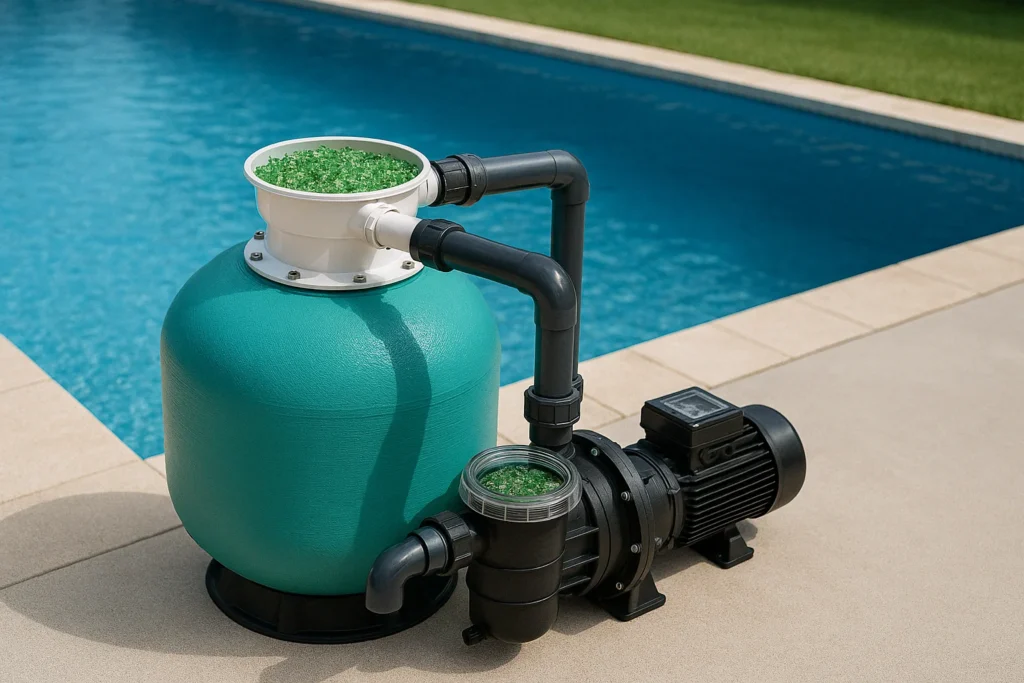
When it comes to filtration systems in swimming pools and wastewater treatment plants, most operators aim to maximize efficiency, reduce operational costs, and minimize chemical dependency. One revolutionary solution that supports all three goals is glass filter media—an advanced alternative to traditional sand and multimedia filters. Beyond its excellent filtration capabilities, glass media helps […]
Importance of Uniform Grain Sizing in Filtration Media

When it comes to selecting the right filtration media for water and wastewater treatment, most people focus on the material itself — whether it’s sand, anthracite, or glass. While media type is important, one critical but often overlooked parameter is uniform grain sizing. This technical aspect plays a major role in determining how well […]
Understanding Total Dissolved Solids in Wastewater Treatment
What is TDS? Total Dissolved Solids (TDS) refers to the concentration of dissolved substances in water, including organic and inorganic matter. Measured in milligrams per liter (mg/L) or parts per million (ppm), TDS consists of minerals, salts, metals, cations, anions, and organic compounds. In wastewater treatment, managing TDS levels is critical, as high concentrations can […]
Recalcitrant COD in Wastewater: Challenges & Solutions

Chemical Oxygen Demand (COD) is a critical parameter in wastewater treatment, measuring the total amount of oxygen required to oxidize both biodegradable and non-biodegradable organic compounds in water. While biodegradable COD is relatively easy to treat using biological methods, recalcitrant COD presents a significant challenge. This type of COD is made up of persistent, hard-to-degrade […]
Air Sanitation in Indoor Spaces with Chlorine Dioxide

In our daily lives, we spend a significant amount of time indoors—whether in workplaces, factories, homes, cars, or other enclosed areas where human presence is constant. However, while we often prioritize water filtration and surface sanitation, we tend to overlook one of the most critical aspects of health and well-being: air quality. Poor indoor […]
Understanding Water Contaminants: A Silent Peril
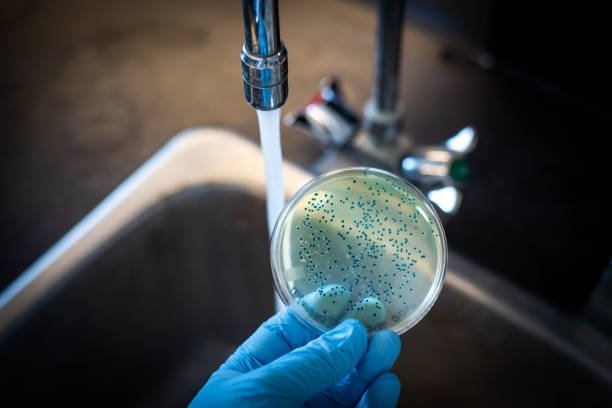
Water is an essential resource for human survival, yet its purity is constantly at risk. Water sources supplying communities for drinking purposes often contain various contaminants, including heavy metals, organic pollutants, and most alarmingly, bacteria. While several bacterial strains can be present in water, two of the most concerning pathogens are Escherichia coli (E. […]
Understanding cPVC/uPVC Pipes: Benefits and advantages over HDPE

In the world of fluid transport systems, selecting the right piping material is critical for performance, durability, and cost-efficiency. Among the most widely used options are Chlorinated Polyvinyl Chloride (cPVC) and Unplasticized Polyvinyl Chloride (uPVC) pipes. These materials have become the preferred choice for various applications across industries due to their superior chemical resistance, […]
Tackling biofilm – Increasing efficiencies with Chlorine Dioxide

Biofilm formation in water distribution systems is a silent yet pervasive issue that significantly impacts the efficiency, performance, and longevity of these systems. These slimy colonies of microorganisms adhere to the inner surfaces of pipes, water storage tanks, and other infrastructure, creating an ideal environment for harmful bacteria, viruses, and pathogens to flourish. While […]