
Nanobubble-Treated Water for Poultry: A Breath of Fresh Air
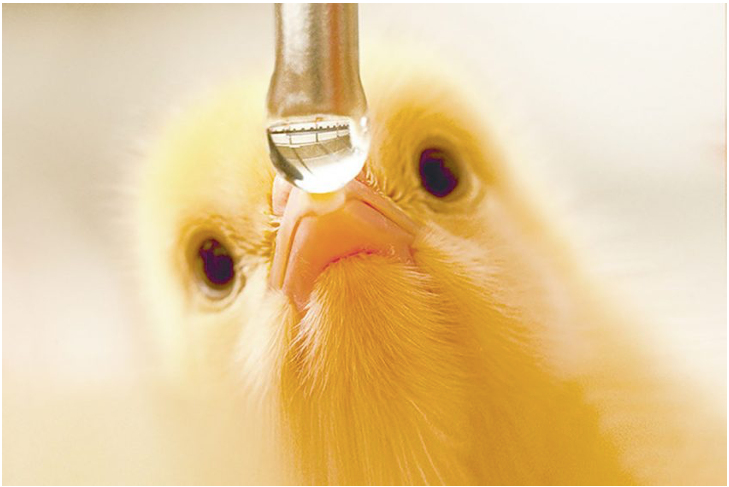
Poultry health is a critical aspect of the poultry farming industry, with disease prevention being a top priority.Providing quality drinking water in poultry farming is one of the necessities of poultry nutrition. The general criteria for the quality of drinking water for poultry are different from other livestock, because poultry are more sensitive to […]
Harnessing the Power of Bacteria to Revolutionize Aquaculture Farming

Aquaculture, the farming of aquatic organisms such as fish, shrimp, and mollusks, plays a crucial role in meeting the ever-growing global demand for seafood. However, the industry faces numerous challenges, including environmental concerns, disease outbreaks, and the need for sustainable practices. In recent years, the integration of bacterial cultures, also known as bioculture, has […]
Harnessing Nature’s Power: Bioremediation for a Cleaner Environment

Our planet is facing environmental challenges like never before, with pollution and contamination threatening ecosystems and the health of all living beings. In this battle against environmental degradation, bioremediation emerges as a powerful ally. Bioremediation is a sustainable and environmentally friendly technique that uses living organisms, particularly bacteria, to clean up polluted environments. This […]
Nanobubbles – Revolutionising aeration with outstanding results

In the age of innovative water treatment technologies, nanobubbles have emerged as microscopic marvels with the potential to reshape water treatment and aeration practices. These minuscule gas pockets, measuring less than 100 nanometres in diameter, are garnering significant attention for their unique characteristics and remarkable applications. In this blog, we will delve into the […]
The Sludge Management headache In Water Treatment

Water treatment is a critical process that ensures the availability of clean and safe water for various purposes. However, a significant by-product of water treatment is sludge, which poses unique challenges in terms of disposal and management. In this blog, we will explore the causes of sludge formation, the drawbacks of excessive sludge, and […]
Enhancing Water Treatment in Pharma Industry with Glass Media

In the pharmaceutical industry, the quality of treated water is of paramount importance. Water serves as a critical component in various manufacturing processes, making it crucial to ensure its purity and adherence to stringent standards. As water treatment plants in the pharma industry seek optimal filtration solutions, glass filter media has emerged as a […]
Role of Bacteria Culture in Wastewater Treatment : Why It Matters

Water treatment is a process that is essential for making water safe for consumption. Water treatment facilities use various techniques to remove contaminants and impurities from the water, making it safe to reuse One of the most important components of water treatment is the use of bacteria culture. In this blog, we will […]
Upgrade Your Filtration System with Glass: Top 5 Advantages

Filtration is an important process in many applications, including water treatment, pool maintenance, and industrial processes. While sand filtration has been the traditional method of choice for many years, glass filtration is emerging as a popular alternative due to its superior filtration efficiency and durability. Glass filtration media is an innovative alternative to […]
Chromium Removal from ETPs using Ion Exchange Resin

WHAT IS CHROMIUM? Chromium is a chemical element that is commonly used in industrial processes. Trivalent chromium (Cr(III)) and hexavalent chromium (Cr(VI)) are two forms of chromium that are often present in wastewater from electroplating, tannery, and other industries. Both forms of chromium can pose a risk to human health and the environment if […]
Heavy metals removal – Ion exchange and Chemical Precipitation

PRESENCE OF HEAVY METAL IN WATER: Heavy metals such as zinc, iron, lead, mercury, copper, cadmium, and chromium are highly toxic and can cause serious harm to both human health and the environment. These metals can enter water sources through natural processes or as a result of human activities such as industrial processes, mining, […]