

Chlorine Dioxide: Absolute Disinfection in the F&B Industry

In the highly regulated and quality-driven Food & Beverage (F&B) industry, the purity and microbiological integrity of water used in processing, cleaning, and product formulation are paramount. Raw water sources—be they municipal, surface, or groundwater—often contain a spectrum of biological and chemical contaminants. Without rigorous and absolute disinfection, these contaminants can compromise product safety, result […]
Glass Media Filtration in Power Plants: Massive Water Savings
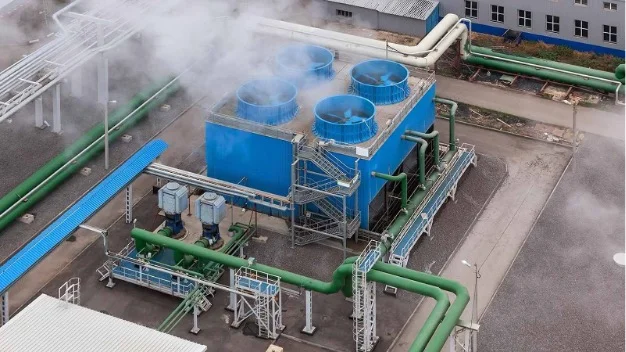
Power plants are among the most water-intensive industrial operations in the world. Whether it’s a coal-fired thermal plant, a nuclear reactor, or even a natural gas facility, one common factor is their enormous need for process water—especially in their cooling systems. With rising environmental pressures and water scarcity becoming a global challenge, there’s an urgent […]
Glass Media: Reduce Chemical Usage in Swimming Pool & Wastewater
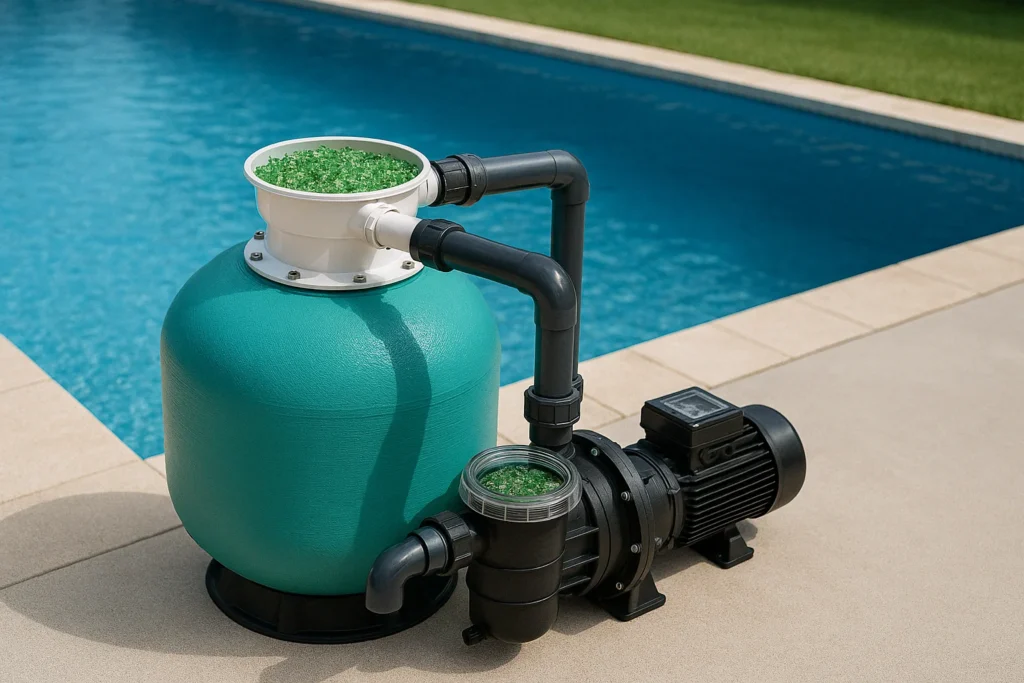
When it comes to filtration systems in swimming pools and wastewater treatment plants, most operators aim to maximize efficiency, reduce operational costs, and minimize chemical dependency. One revolutionary solution that supports all three goals is glass filter media—an advanced alternative to traditional sand and multimedia filters. Beyond its excellent filtration capabilities, glass media helps […]
Understanding Total Dissolved Solids in Wastewater Treatment
What is TDS? Total Dissolved Solids (TDS) refers to the concentration of dissolved substances in water, including organic and inorganic matter. Measured in milligrams per liter (mg/L) or parts per million (ppm), TDS consists of minerals, salts, metals, cations, anions, and organic compounds. In wastewater treatment, managing TDS levels is critical, as high concentrations can […]
Tackling biofilm – Increasing efficiencies with Chlorine Dioxide

Biofilm formation in water distribution systems is a silent yet pervasive issue that significantly impacts the efficiency, performance, and longevity of these systems. These slimy colonies of microorganisms adhere to the inner surfaces of pipes, water storage tanks, and other infrastructure, creating an ideal environment for harmful bacteria, viruses, and pathogens to flourish. While […]
Siphonic Drainage Systems: A Sustainable Approach to Rainwater Harvesting

As the world confronts escalating environmental challenges, sustainability has emerged as a key focus in every sector. Among these challenges, water scarcity stands out as one of the most pressing issues, affecting billions globally. Rainwater harvesting, a centuries-old practice, is increasingly being recognized as one of the most cost-effective and efficient methods to reuse and […]
Side Stream Filters: Enhanced Efficiency with Glass Media
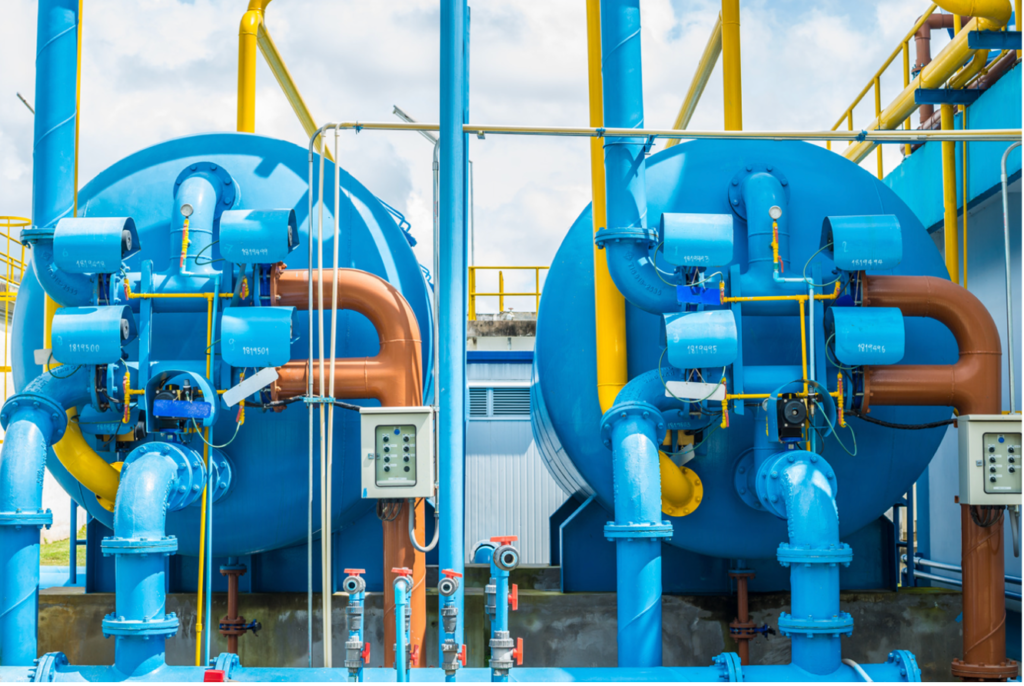
Side stream filters are integral components in industrial and commercial water treatment systems, designed to improve water quality by continuously filtering a portion of the total water flow. They target contaminants like suspended solids, scale, and biological growth, protecting equipment and reducing maintenance needs. These filters find applications across various industries such as HVAC, […]
The Economics of an Ultrafiltration Membrane

Ultrafiltration (UF) membranes are a vital part of the modern water and wastewater treatment process. These membranes serve as a physical barrier, filtering out suspended solids, bacteria, viruses, and other contaminants from water. UF membranes are typically used after preliminary treatments, like coagulation and flocculation, and before more advanced treatments, such as reverse osmosis. […]
One Size Does Not Fit All: Tailoring Biocultures for Water Treatment

In the world of water treatment, especially in systems like Effluent Treatment Plants (ETPs) and Sewage Treatment Plants (STPs), microbial or bacterial cultures play a pivotal role. They’re vital to the efficient functioning of these systems, fostering the growth of Mixed Liquor Suspended Solids (MLSS) and Mixed Liquor Volatile Suspended Solids (MLVSS) and reducing pollutants […]
Understanding Electroplating & Environmental Challenges
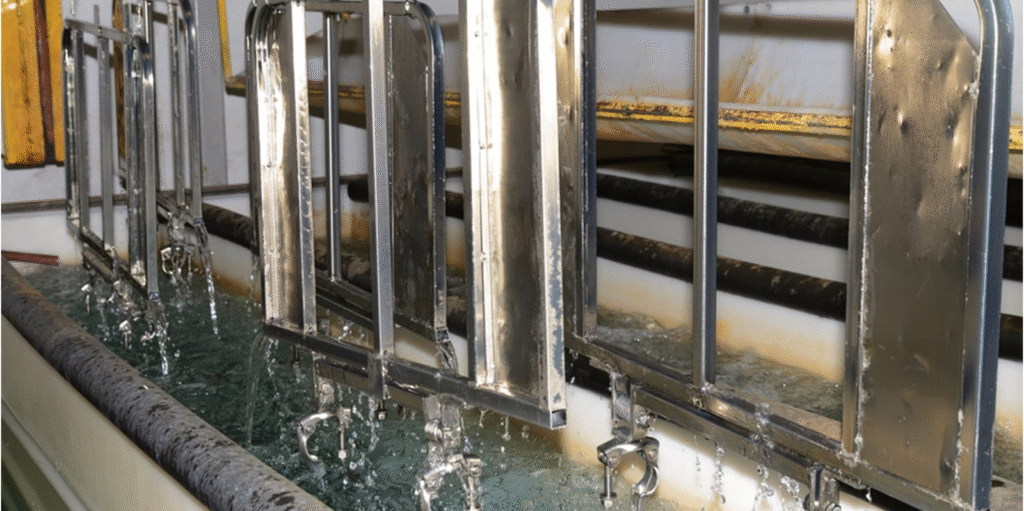
Electroplating has long been a cornerstone of modern manufacturing and innovations in almost all industries. It essentially refers to the process of coating a thin layer of metal onto the surface of another material, making it aesthetically pleasing and functionally viable. This process is crucial for enhancing the appearance, durability, and resistance to corrosion […]