

Glass Media: Reduce Chemical Usage in Swimming Pool & Wastewater
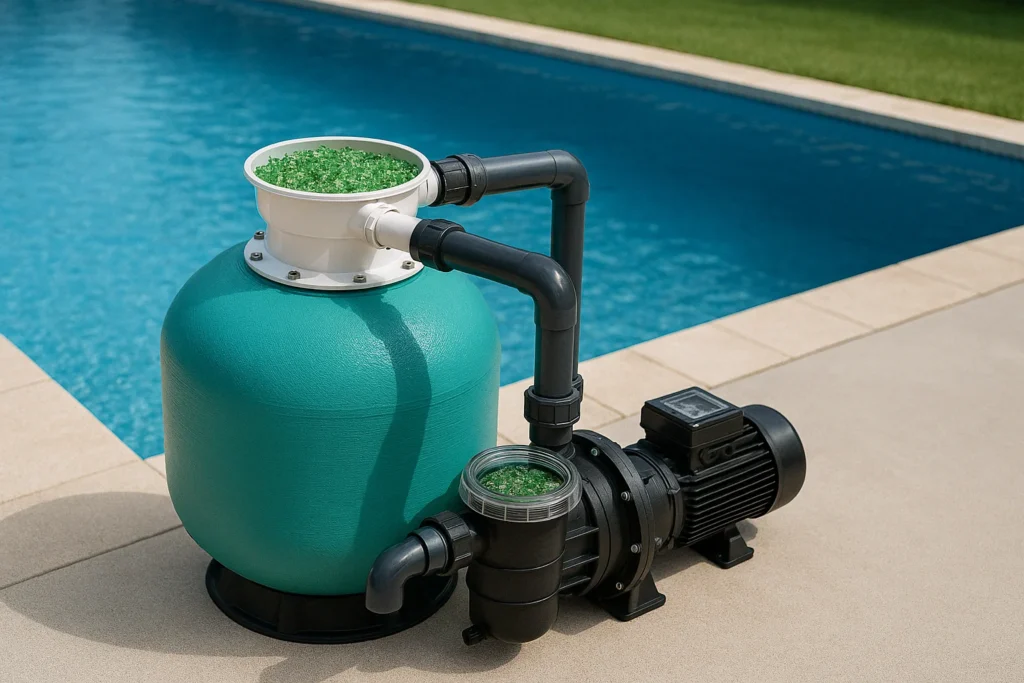
When it comes to filtration systems in swimming pools and wastewater treatment plants, most operators aim to maximize efficiency, reduce operational costs, and minimize chemical dependency. One revolutionary solution that supports all three goals is glass filter media—an advanced alternative to traditional sand and multimedia filters. Beyond its excellent filtration capabilities, glass media helps […]
Importance of Uniform Grain Sizing in Filtration Media

When it comes to selecting the right filtration media for water and wastewater treatment, most people focus on the material itself — whether it’s sand, anthracite, or glass. While media type is important, one critical but often overlooked parameter is uniform grain sizing. This technical aspect plays a major role in determining how well […]
Understanding Total Dissolved Solids in Wastewater Treatment
What is TDS? Total Dissolved Solids (TDS) refers to the concentration of dissolved substances in water, including organic and inorganic matter. Measured in milligrams per liter (mg/L) or parts per million (ppm), TDS consists of minerals, salts, metals, cations, anions, and organic compounds. In wastewater treatment, managing TDS levels is critical, as high concentrations can […]
Recalcitrant COD in Wastewater: Challenges & Solutions

Chemical Oxygen Demand (COD) is a critical parameter in wastewater treatment, measuring the total amount of oxygen required to oxidize both biodegradable and non-biodegradable organic compounds in water. While biodegradable COD is relatively easy to treat using biological methods, recalcitrant COD presents a significant challenge. This type of COD is made up of persistent, hard-to-degrade […]
Understanding Water Contaminants: A Silent Peril
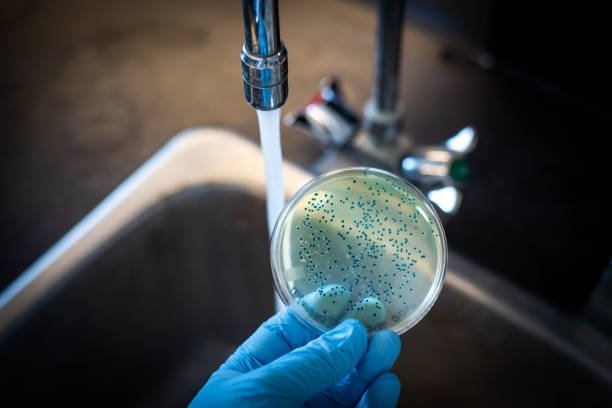
Water is an essential resource for human survival, yet its purity is constantly at risk. Water sources supplying communities for drinking purposes often contain various contaminants, including heavy metals, organic pollutants, and most alarmingly, bacteria. While several bacterial strains can be present in water, two of the most concerning pathogens are Escherichia coli (E. […]
Understanding cPVC/uPVC Pipes: Benefits and advantages over HDPE

In the world of fluid transport systems, selecting the right piping material is critical for performance, durability, and cost-efficiency. Among the most widely used options are Chlorinated Polyvinyl Chloride (cPVC) and Unplasticized Polyvinyl Chloride (uPVC) pipes. These materials have become the preferred choice for various applications across industries due to their superior chemical resistance, […]
Combatting deadly Poultry diseases with Chlorine Dioxide

In the dynamic and challenging environment of poultry farming, maintaining the health of flocks is paramount. Diseases like Infectious Bursal Disease Virus (IBDV) and Newcastle Disease (Ranikhet disease) pose a significant threat, leading to high mortality rates and massive financial losses. This is where chlorine dioxide (ClO2) steps in as a revolutionary disinfection and […]
Side Stream Filters: Enhanced Efficiency with Glass Media
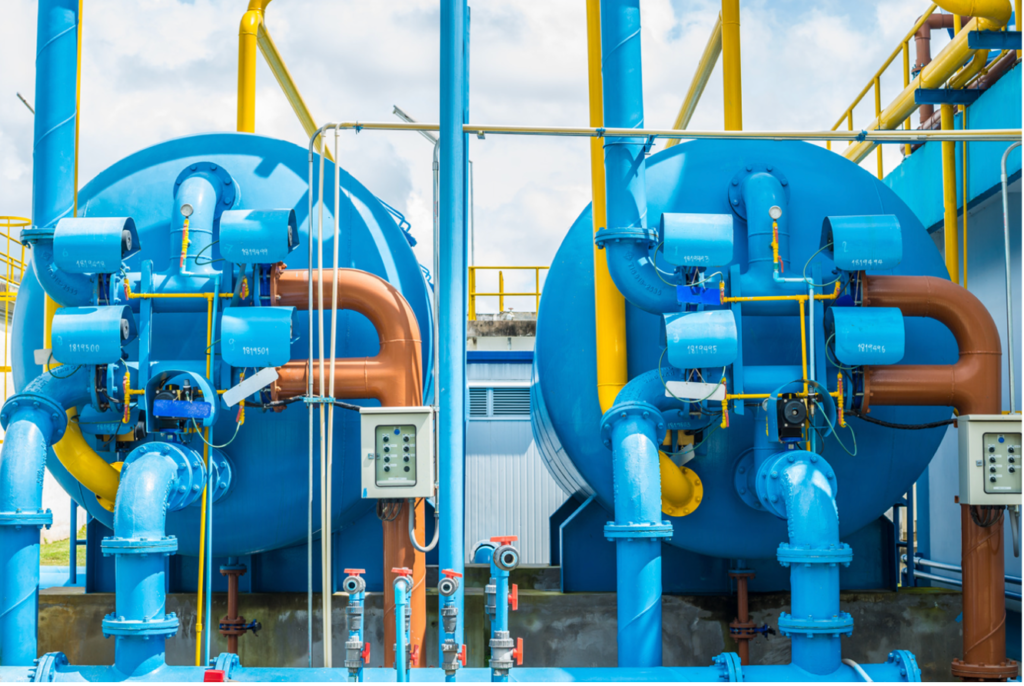
Side stream filters are integral components in industrial and commercial water treatment systems, designed to improve water quality by continuously filtering a portion of the total water flow. They target contaminants like suspended solids, scale, and biological growth, protecting equipment and reducing maintenance needs. These filters find applications across various industries such as HVAC, […]
The Economics of an Ultrafiltration Membrane

Ultrafiltration (UF) membranes are a vital part of the modern water and wastewater treatment process. These membranes serve as a physical barrier, filtering out suspended solids, bacteria, viruses, and other contaminants from water. UF membranes are typically used after preliminary treatments, like coagulation and flocculation, and before more advanced treatments, such as reverse osmosis. […]
One Size Does Not Fit All: Tailoring Biocultures for Water Treatment

In the world of water treatment, especially in systems like Effluent Treatment Plants (ETPs) and Sewage Treatment Plants (STPs), microbial or bacterial cultures play a pivotal role. They’re vital to the efficient functioning of these systems, fostering the growth of Mixed Liquor Suspended Solids (MLSS) and Mixed Liquor Volatile Suspended Solids (MLVSS) and reducing pollutants […]