

Tackling biofilm – Increasing efficiencies with Chlorine Dioxide

Biofilm formation in water distribution systems is a silent yet pervasive issue that significantly impacts the efficiency, performance, and longevity of these systems. These slimy colonies of microorganisms adhere to the inner surfaces of pipes, water storage tanks, and other infrastructure, creating an ideal environment for harmful bacteria, viruses, and pathogens to flourish. While […]
One Size Does Not Fit All: Tailoring Biocultures for Water Treatment

In the world of water treatment, especially in systems like Effluent Treatment Plants (ETPs) and Sewage Treatment Plants (STPs), microbial or bacterial cultures play a pivotal role. They’re vital to the efficient functioning of these systems, fostering the growth of Mixed Liquor Suspended Solids (MLSS) and Mixed Liquor Volatile Suspended Solids (MLVSS) and reducing pollutants […]
Glass Filtration Media efficiency – The Colour Matters!

In the ever-present quest for high filtration performance, the water & wastewater treatment industry has seen a shift towards glass filtration media, particularly those made from recycled glass. While green-coloured recycled glass, often sourced from beer bottles and other used glass products, has garnered significant attention, there is a growing case for the use […]
Enhancing Aquatic Life: Tackling Nutrient Pollution
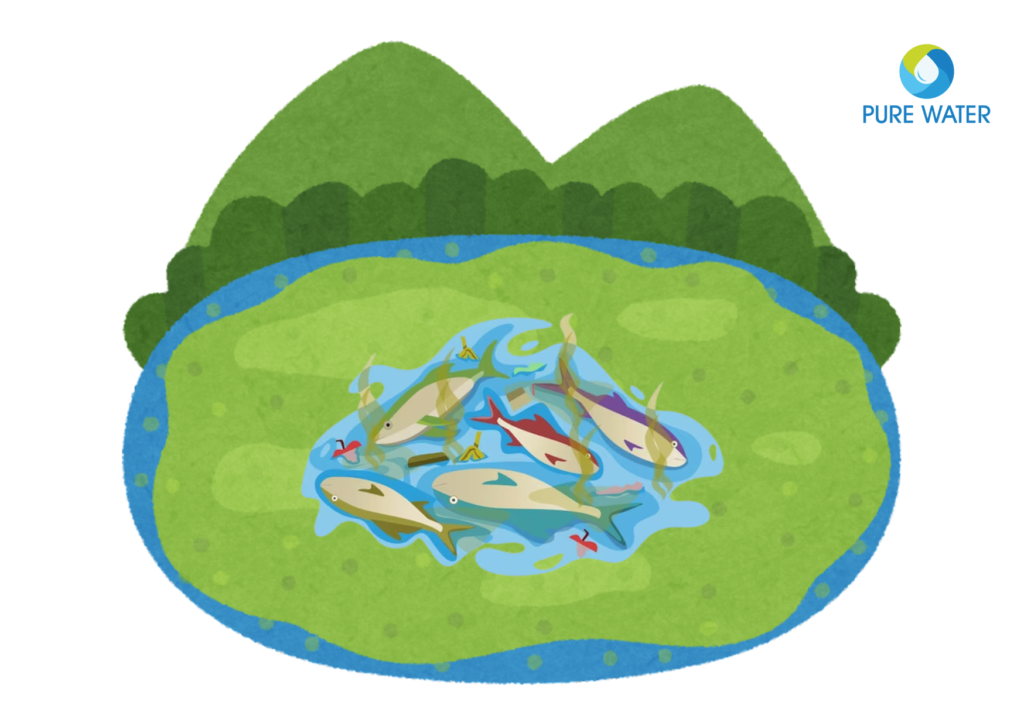
The health of aquatic ecosystems is intrinsically linked to the quality of water they inhabit. As human populations grow and urbanization expands, wastewater discharge becomes a critical concern for preserving aquatic life. Nutrients like nitrogen and phosphorus, while essential for plant growth, can lead to detrimental consequences when present in excess in water […]
Glass Filtration Media: Fighting the fight against biofouling!
The battle against contaminants and impurities present in water is an ever-present in the water and wastewater treatment industry. There have been many stalwarts, conventional filtration technologies, fighting this everlasting issue. But the emergence of glass media as a premier filtration solution signifies a paradigm shift towards more effective and sustainable water purification processes. […]
Weak Acid Cation Exchange resin for High TDS softening

In the extremely dynamic world of water and wastewater treatment, few technologies offer the efficiency and versatility of Ion Exchange resins. These remarkable materials are the unsung heroes behind countless water softening, purification, and separation processes, offering a reliable and effective means of addressing water quality concerns. Among the various types of ion exchange […]
Harnessing the Power of Bacteria to Revolutionize Aquaculture Farming

Aquaculture, the farming of aquatic organisms such as fish, shrimp, and mollusks, plays a crucial role in meeting the ever-growing global demand for seafood. However, the industry faces numerous challenges, including environmental concerns, disease outbreaks, and the need for sustainable practices. In recent years, the integration of bacterial cultures, also known as bioculture, has […]
Nanobubbles – Revolutionising aeration with outstanding results

In the age of innovative water treatment technologies, nanobubbles have emerged as microscopic marvels with the potential to reshape water treatment and aeration practices. These minuscule gas pockets, measuring less than 100 nanometres in diameter, are garnering significant attention for their unique characteristics and remarkable applications. In this blog, we will delve into the […]
Iron Removal Resin: Why Iron removal requires specialized media

Iron is not always effectively removed by some heavy metal removal resins because of the difference in the chemical properties of iron ions compared to other heavy metal ions. Iron can exist in various oxidation states in water, such as Fe2+ and Fe3+, and its behavior in ion exchange resins can be complex. Iron […]
Heavy metals removal – Ion exchange and Chemical Precipitation

PRESENCE OF HEAVY METAL IN WATER: Heavy metals such as zinc, iron, lead, mercury, copper, cadmium, and chromium are highly toxic and can cause serious harm to both human health and the environment. These metals can enter water sources through natural processes or as a result of human activities such as industrial processes, mining, […]